

Eating orchids to extinction
Hortus botanicus LeidenTo protect orchids from the risks of poaching, they are on a 'black list' of species that cannot be traded internationally without permits. But salep is so popular in Eastern Europe and the Middle East, that harvesters do not seem to care much. To map the orchid trade and the potential consequences for local orchid populations, an international research team compared centuries-old collections of salep housed in institutions like Naturalis, with modern salep sold in bazaars in Turkey and Iran.
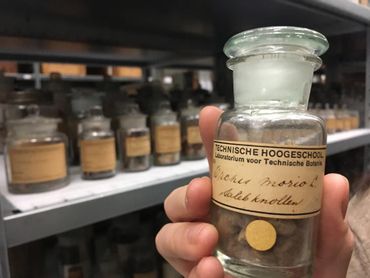
Genetic similarities between museum and modern collections
Using molecular 'baits', the team managed to recover and read hundreds of pieces of genetic material from the salep tubers. These were compared with the DNA of fresh plant material of dozens of species from the Eastern Mediterranean, sourced, among others, from the living collection of Hortus botanicus Leiden. This way, they discovered that, through time, harvesters have started to collect an increasing number of different orchid species. Likely to meet the rising demand for salep, which is fuelled by a growing consumer base in urban areas and abroad.
Risk for orchids
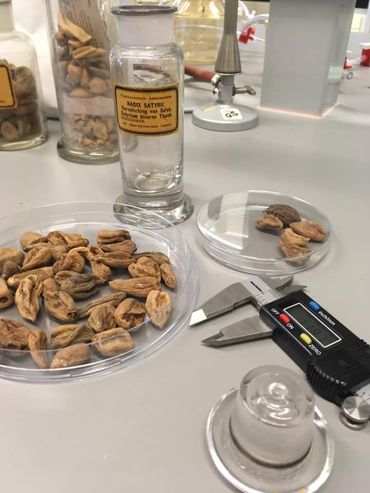
The increasing demand affects not only the species composition of salep but also the species themselves. Through tuber measurements, the researchers found that salep tubers have become increasingly smaller over the last centuries. Because orchids are perennial plants and typically produce larger tubers as they age, this indicates that mature plants are slowly disappearing from populations that cannot renew themselves quickly enough to counter the pace of wild harvesting.
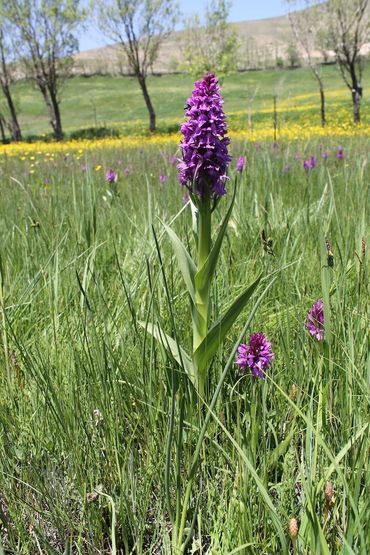

The gradual extinction of sought-after species means that salep traders must look further afield to find them. At the same time, local harvesters, again, have started targeting other orchid species that can serve as replacements. This leads to a growing extraction area for salep, as well as an expanding diversity of species that suffer from this extraction. If this trend persists, the future outlook is grim for the orchids of Turkey and Iran.
Can wild orchids be saved?
Salep has been used in the Near East as a medicine and as flavouring for hot drinks and desserts for centuries. It would be a tremendous loss if, due to uncontrolled wild harvesting, this biocultural heritage was to go extinct alongside the orchids that sustain it. Knowledge of the species being sold and the characteristics that make them desirable is therefore essential for developing sustainable alternatives to the harvest of wild orchids.
Unfortunately, orchids are notoriously difficult to cultivate. This means that in the near future, salep will likely continue to be sourced mainly from the wild. Stricter legislation and market surveillance are needed to combat this proliferating illegal trade. In addition, increased consumer awareness regarding the origins and sustainability of salep can hopefully lower the demand for illegal orchid tubers.
A forgotten medicine
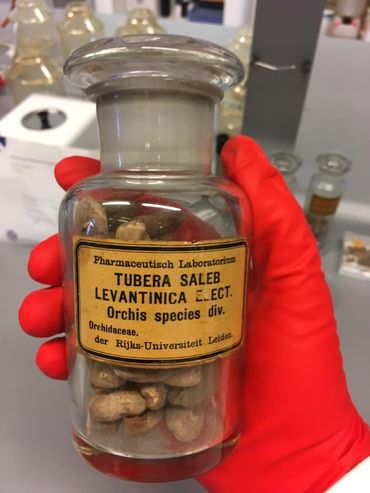
Salep was not only popular in the Orient. In Europe, the therapeutic effects of salep tubers were also recognized by Western pharmacists. The raw material was imported and appeared in medical textbooks from the 16th to the 20th century. These so-called 'simplicia' (individual ingredients that are mixed to produce compound medicines) have sometimes been kept in pharmaceutical museums, laboratories, and educational institutions for centuries, including Naturalis.
These forgotten cultural-historical objects are a treasure trove of information about the evolution of plant use through time, that is rarely investigated. DNA techniques, such as those applied to study salep, can unlock this hidden history, teaching us how plant use has changed over the centuries and how we can best protect the used – and sometimes endangered – species for future generations. A selection of currently flowering orchids can be admired at Hortus botanicus Leiden, where they are being propagated from seed.
More information
- The article Molecular evidence reveals unsustainable harvest of wild orchids, published in Current Biology.
Text: Margret Veltman, Hortus botanicus Leiden
Images: Barbara Gravendeel; Mikael Hedrén; Baset Ghorbani; Hugo de Boer