

AI helps beachcombers identify fossils
Naturalis Biodiversity CenterIn the Netherlands, large numbers of fossils and archaeological finds are discovered on beaches and in the North Sea, particularly at the Zandmotor and the Maasvlakte. Many of these are spotted by enthusiastic amateur beachcombers or citizen scientists. They take a photo and upload it to platforms like Oervondstchecker.nl to learn what they have found. However, identifying thousands of finds takes experts a lot of time.
AI for fossils
To lend experts a helping hand, researchers developed smart computer models (so-called convolutional neural networks, or CNNs). Naturalis has extensive experience with this technology: the institute aims to recognize all species and has spent years building recognition software for applications like the ObsIdentify app and the ARISE species platform. Citizen scientists collaborated on the study, alongside experts from institutions such as the National Museum of Antiquities and the Natural History Museum Rotterdam.
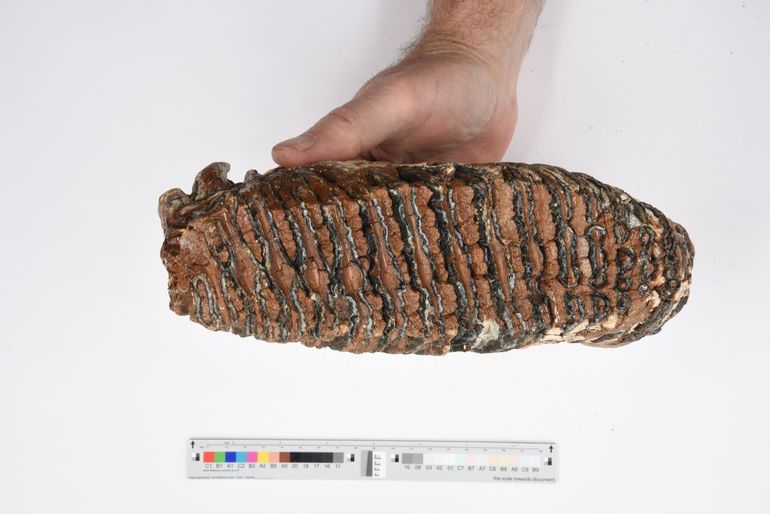
The AI fossil systems were fed two massive datasets of images: over 46,000 standardized photos from museum and private collections, plus an additional 74,000 real-world photos uploaded by the public to Oervondstchecker.nl. The researchers then had both the trained AI models and ten human experts evaluate the exact same series of fossils.
Better than the experts?
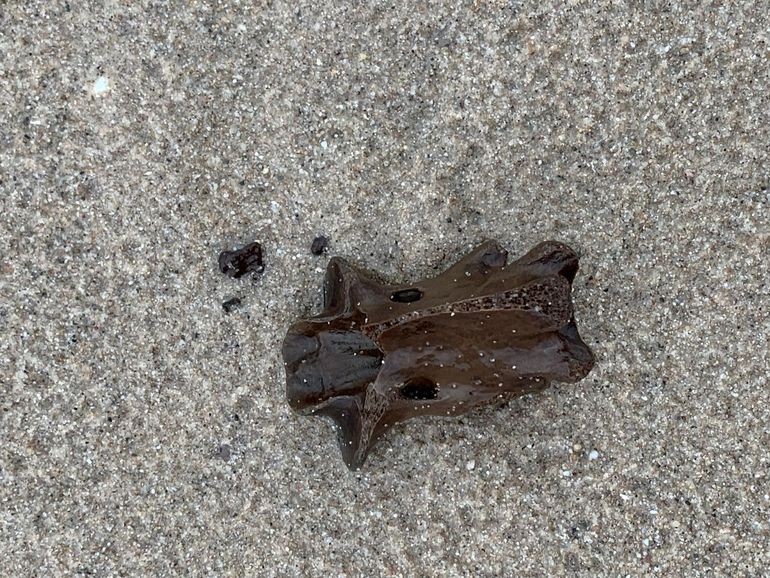
The study revealed surprising results. When tested on clean, professional museum photos, the computer sometimes scored better and more accurately than human experts! Real-world photos, however, proved much trickier. A blurry photo, taken on a beach towel with harsh shadows, makes it significantly harder for a computer to discern key features.
Furthermore, researchers discovered that human experts surprisingly often disagreed among themselves on the exact species a fossil belonged to. When human experts hesitate, the AI receives uncertain training data as well. "We see that data quality is essential, both the photos themselves and the identifications. It is fantastic to see that with good data, AI can offer real added value", says Isaak Eijkelboom, an expert himself, who hopes to complete his PhD research on digital fossil recognition soon.
Human and machine
Does the rise of digital recognition mean fossil experts will soon be obsolete? Far from it! The researchers advocate for a 'dream team' combining humans and AI. The computer can automatically recognize thousands of everyday finds at lightning speed, leaving experts with more time to focus on rare, complex, or unique discoveries. Anyone can now benefit from this research: the AI models have been made public. This makes the quest into our prehistoric past not only faster, but much more accessible to everyone.
What is next? For Eijkelboom, his work is nearly finished: his PhD defense is approaching, and the chapter on his AI was published this month in the journal PeerJ Computer Science. Together with colleagues from the National Museum of Antiquities, he hopes to apply the models to archaeological finds as well – more on that soon.
More information
- Read the article AI, citizen science data and expert opinions: towards an improved fossil identification process, published on 4 August 2026 in PeerJ Computer Science.
- You can consult the models yourself. There are two models: one determines the element type (thigh bone or lower jaw?), the other assesses the species (mammoth or deer?).
- Learn more about Naturalis’ AI work.
- You found something on the beach and cannot figure it out with the AI? You can upload your find to Oervondstchecker.nl or send us an email.
Text: Naturalis Biodiversity Center
Images: Naturalis Biodiversity Center; Isaak Eijkelboom